Crypto Arbitrage Trading: A Beginner’s Guide
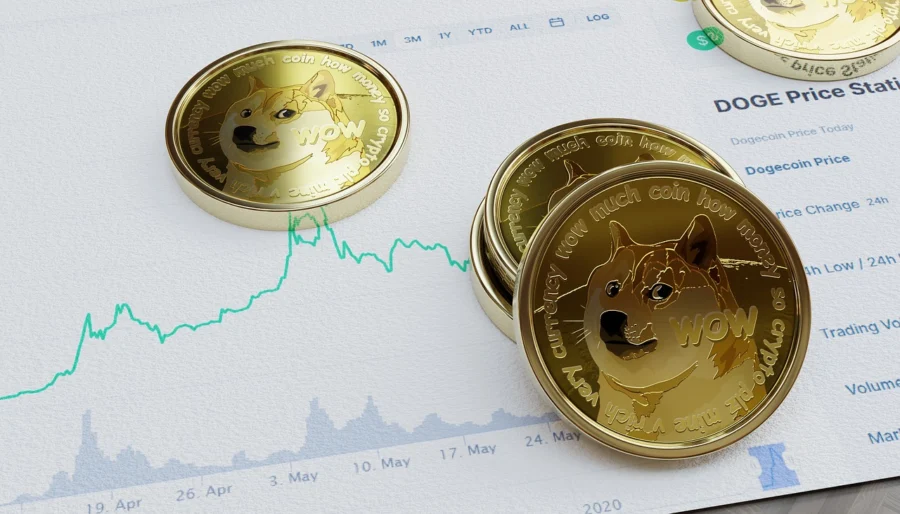
Crypto arbitrage trading means buying on one exchange and selling on another to capture price gaps. This guide explains the mechanics, risks, and how to start with simple strategies.
Crypto arbitrage trading means buying on one exchange and selling on another to capture price gaps. This guide explains the mechanics, risks, and how to start with simple strategies.
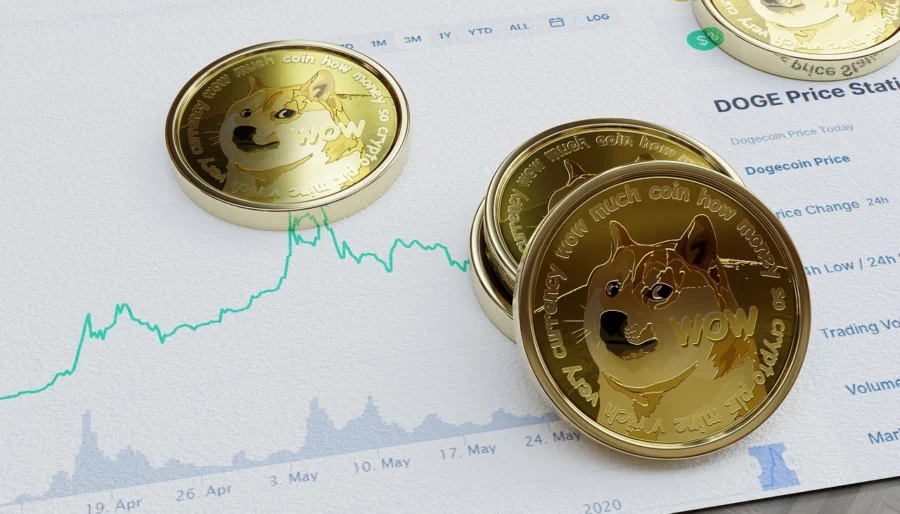
Slippage can silently destroy your crypto arbitrage profits. This guide explains why slippage happens and offers five concrete tactics to reduce it and keep more of your gains.

Arbitrage trading lets you profit from price differences across markets. This beginner-friendly checklist covers everything from choosing markets to managing risks.
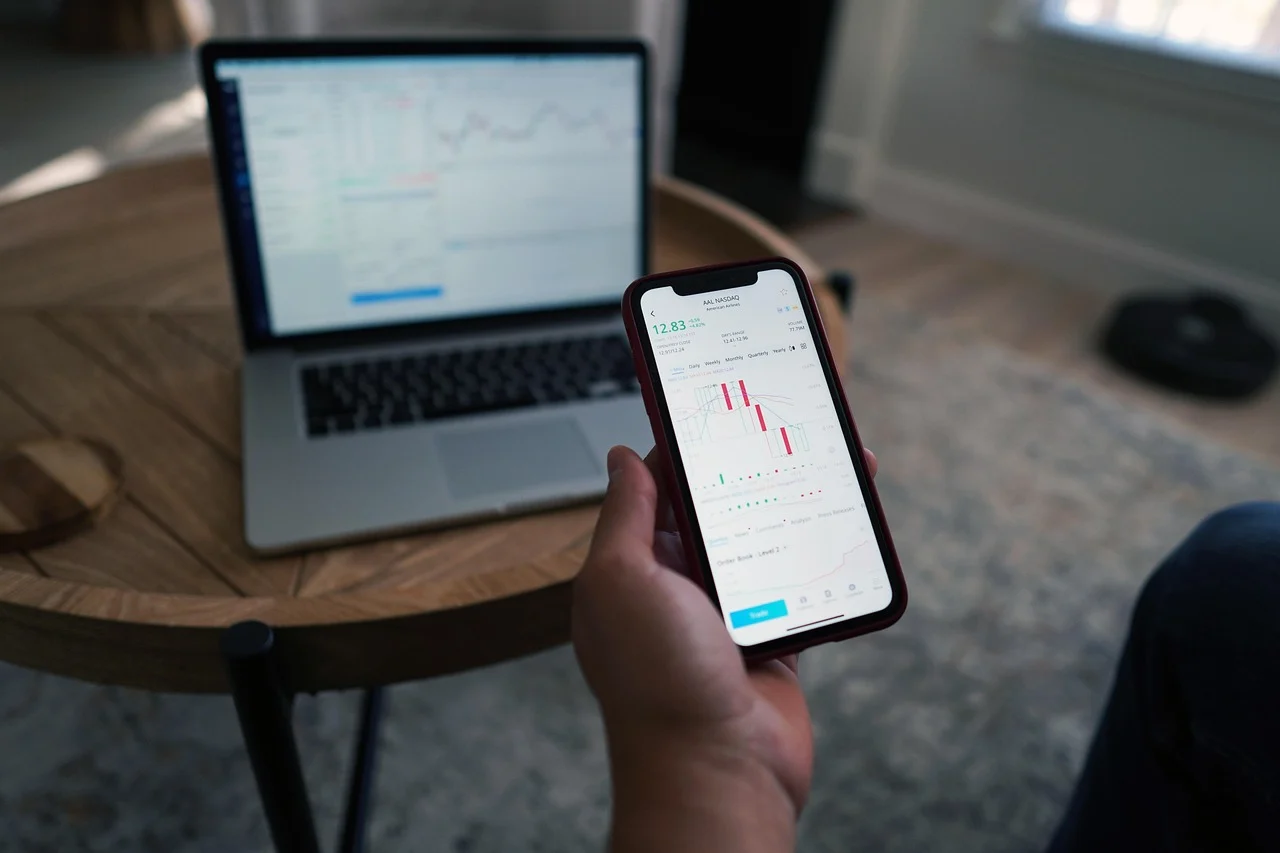
Arbitrage bots execute trades in milliseconds but cost money and require setup. Manual trading gives you control but demands constant attention and fast reflexes. Here’s how to decide which fits your style.

Triangular arbitrage and covered interest arbitrage both seek risk-free profits in forex, but they operate on different principles. Here’s how they compare and when each makes sense.

Building a simple arbitrage strategy from scratch is more about discipline than speed. This guide walks you through finding price gaps, calculating fees, and testing before you risk real money.

Funding rate arbitrage lets futures traders capture predictable payments between long and short positions. Here’s a practical guide to spotting and executing these trades safely.

Discover the seven most common crypto arbitrage mistakes that can turn a sure profit into a loss. Learn how to avoid these pitfalls and improve your arbitrage results.

DeFi arbitrage exploits price differences between decentralized exchanges. Here’s how it works, the risks, and how to spot opportunities safely.

Statistical arbitrage and simple arbitrage both seek risk-free profits, but they operate on different principles. Understand their key differences in risk, execution, and profitability to choose the right approach.